Untitled design (6)

What Are Elevators Without Machine Room (MRL)? A Complete Guide

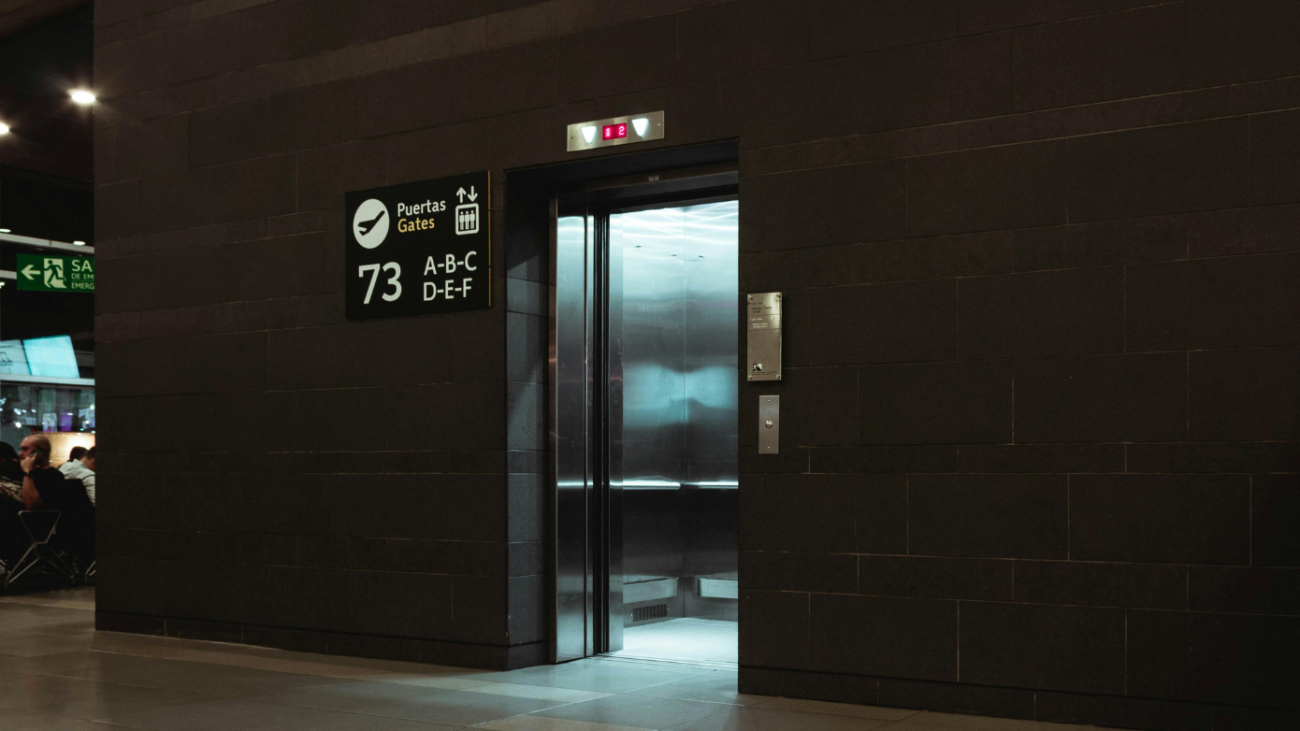
Modern buildings need smart solutions, and elevators without machine room known as MRL elevators are changing how spaces are designed. But what exactly are they, and why are they gaining popularity so fast?

A Machine-Room-Less (MRL) elevator removes the need for a separate room to house the motor and control system. Instead, all components fit compactly within the shaft itself.

How MRL Elevators Work

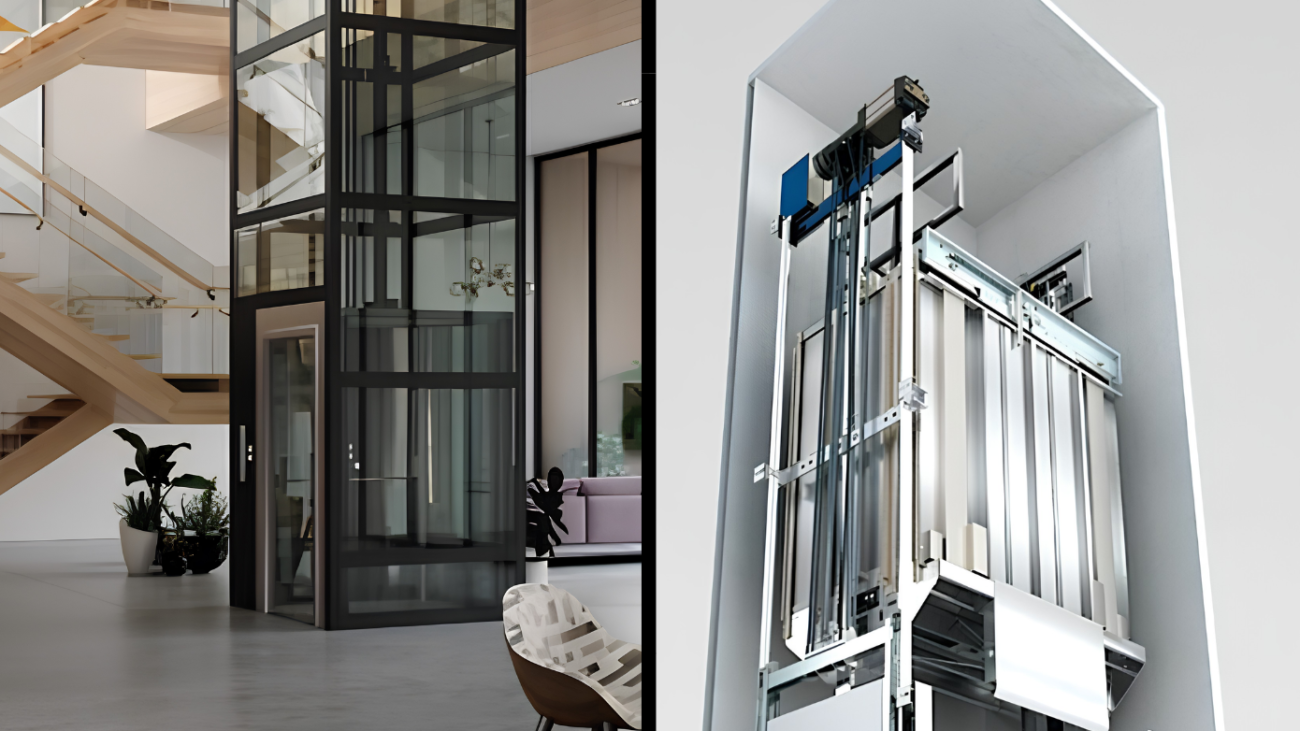
Traditional elevators require a dedicated machine room, usually built on the rooftop. MRL elevators place a compact gearless motor directly inside the hoistway, saving valuable building space.

This design uses less energy too, since gearless motors require less power to operate. The result is a smoother, quieter ride with lower long-term running costs.

Why Buildings Are Switching to MRL Elevators

Space is often limited in modern construction, especially in urban areas like Lahore. MRL elevators solve this problem by eliminating an entire room from the building’s layout.

This makes them ideal for:

  • Residential apartments with limited rooftop space
  • Commercial plazas needing efficient designs
  • Renovation projects where adding a machine room isn’t possible
  • Budget-conscious builds looking to save on construction costs

Are MRL Elevators Reliable?

Yes, MRL elevators are built with the same safety standards as traditional systems. They include overspeed governors, emergency brakes, and backup power systems just like conventional elevators.

Maintenance is also simpler since technicians access components directly from the shaft, without needing separate rooftop visits.

Energy Efficiency Advantage

Because MRL elevators use gearless technology, they consume significantly less electricity. This makes them a cost-effective option for building owners looking to reduce long-term utility expenses.

Lower energy use also means a smaller environmental footprint, which matters more each year as green building standards become common in Pakistan.

Final Thoughts

Elevators without machine room offer a practical, space-saving, and energy-efficient solution for today’s buildings. Whether you’re constructing a new project or renovating an existing one, MRL technology delivers reliability without the extra space requirement.

Shanghai Dragon Elevator in Pakistan, offers certified MRL elevator solutions designed to meet international safety and performance standards.
Untitled design (7)

Elevators for Homes: Are They Worth the Investment?

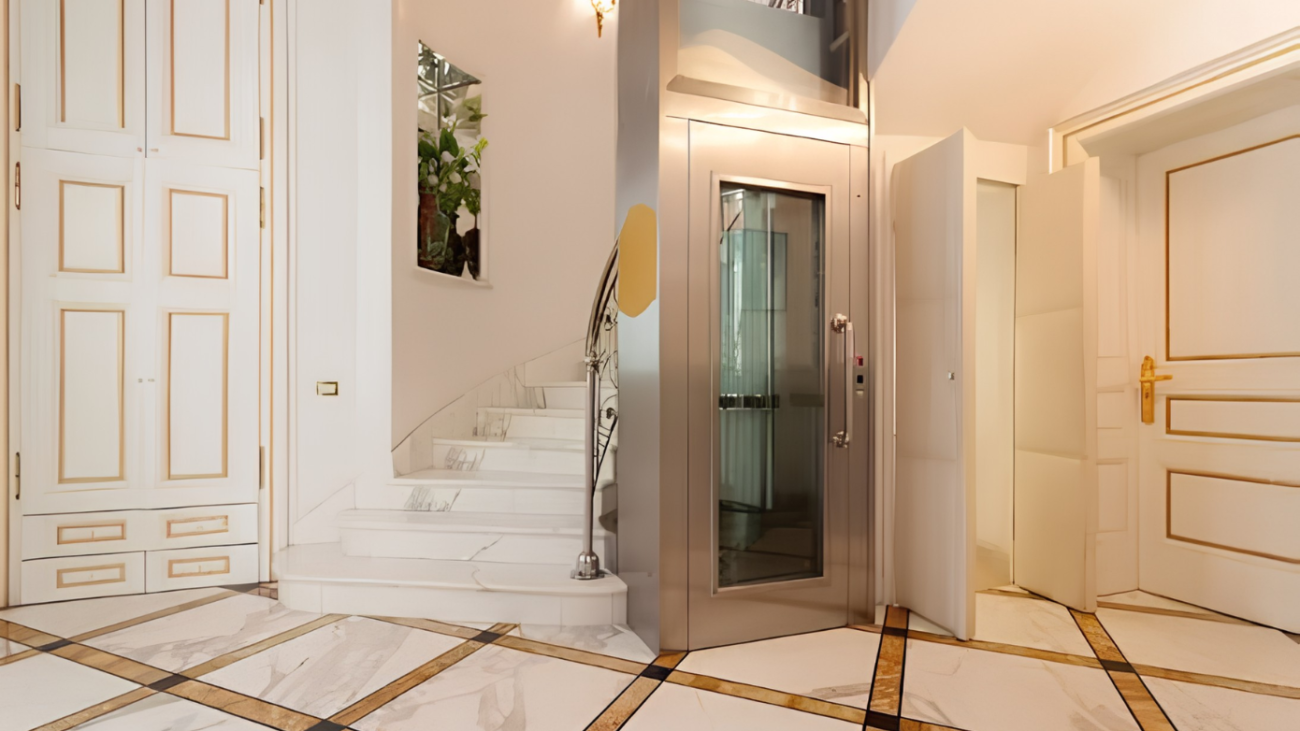
Home elevators are no longer just a luxury for large mansions. Today, elevators for homes are becoming a practical solution for families across all types of houses, including smaller urban properties.

As buildings grow taller and families look for accessible, future-proof homes, more homeowners are asking whether a home elevator is truly worth installing.

Why Homeowners Are Choosing Home Elevators

Home elevators add convenience for everyday tasks like carrying groceries, luggage, or furniture between floors. They also add long-term value to a property, especially in multi-story homes.

For elderly family members or those with mobility challenges, a home elevator isn’t just convenient, it’s essential. It allows people to stay comfortably in their own homes without struggling with stairs.

Space-Saving Designs Available Today

Many people assume home elevators require huge amounts of space, but that’s no longer true. Compact MRL and hydraulic models fit easily into smaller homes without needing a separate machine room.

Some popular options include:

  • Compact cabin elevators for narrow spaces
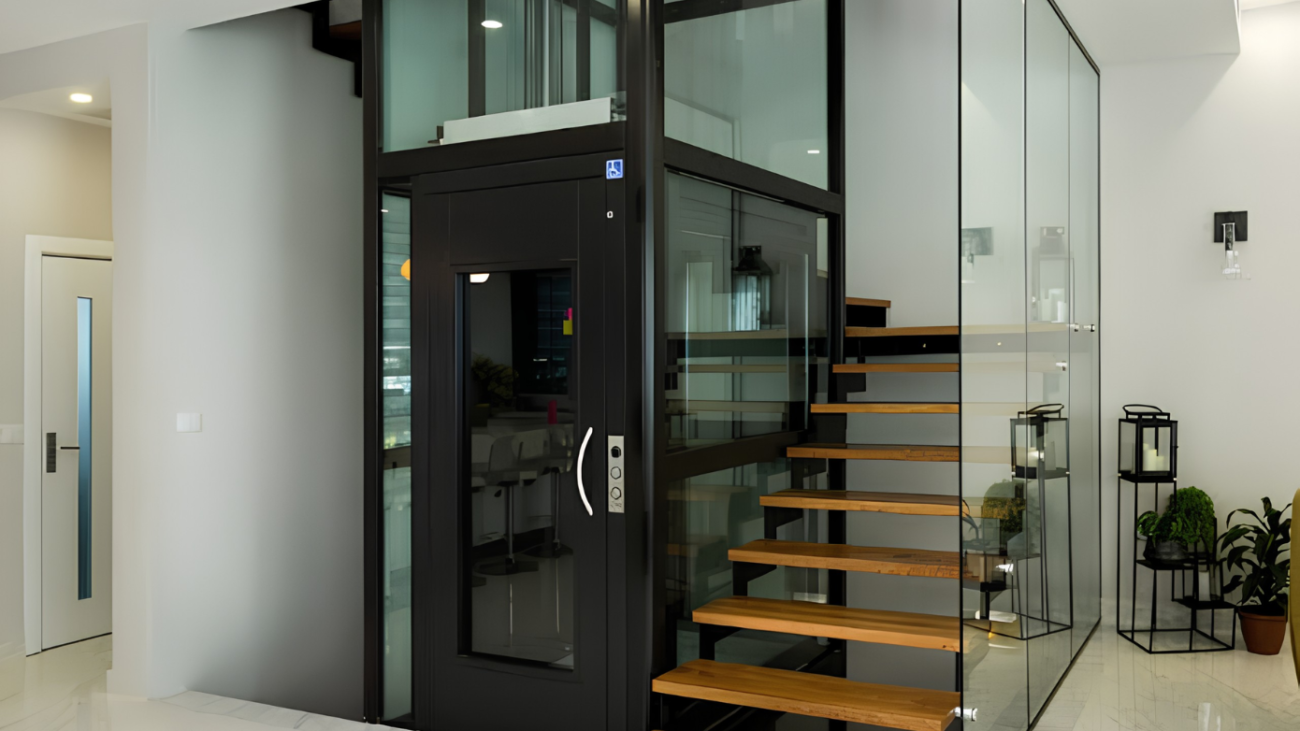
  • Glass panel elevators for a modern aesthetic
  • Hydraulic elevators for smoother, quieter rides
  • Platform lifts for budget-friendly accessibility

Is It a Good Investment?

Yes — home elevators can increase property value significantly, especially in premium residential markets. They also make homes more accessible for future needs, avoiding costly renovations later in life.

While the upfront cost is a factor, the long-term convenience, safety, and resale value often outweigh the initial investment for many families.

Safety and Maintenance

Home elevators today include the same safety technology used in commercial buildings, emergency brakes, backup power, and automatic doors. Routine maintenance from certified technicians keeps them running safely for years.

Choosing a trusted provider ensures your home elevator meets international safety standards from day one.

Final Thoughts

Elevators for homes are shifting from a luxury item to a practical necessity for modern families. With compact designs and strong safety features, they offer comfort, accessibility, and long-term value.

Shanghai Dragon Elevator in Pakistan, provides customized home elevator solutions designed to fit any home size and budget.

Untitled design122

How to Choose a Commercial Passenger Elevator

Choosing the right commercial passenger elevator affects your building’s efficiency, safety, and long-term costs. With so many options available, knowing what to look for makes the decision much easier.

The first step is understanding your building’s traffic needs. A small office plaza has very different requirements than a busy shopping mall or hospital.

Capacity and Speed Requirements

Passenger capacity should match your building’s foot traffic. Offices typically need 8–13 person capacity, while malls and hospitals require larger cabins.

Speed matters too. Taller buildings need faster elevators to reduce wait times, while low-rise buildings can operate efficiently with standard speeds.

Safety Features to Look For

Never compromise on safety certifications. A reliable commercial elevator should include:

  • Overspeed governors and emergency brakes
  • Automatic door sensors
  • Backup power systems
  • Fire-service operation mode

These features protect passengers and reduce liability for building owners.

Machine Room vs MRL Options

Modern buildings often prefer machine-room-less (MRL) elevators since they save rooftop space and reduce construction costs. Traditional systems still work well for very tall or high-capacity buildings.

Energy Efficiency Matters

Gearless motor technology consumes less electricity over time. For commercial buildings running elevators all day, this translates into real savings on utility bills.

Choosing a Reliable Provider

The elevator itself is only half the equation, installation and after-sales support matter just as much. Look for providers offering certified technicians, genuine parts, and responsive maintenance contracts.

Final Thoughts

Selecting a commercial passenger elevator comes down to matching capacity, speed, and safety features to your building’s actual needs. A trusted provider ensures the right fit from day one.

Shanghai Dragon Elevator in Pakistan, helps businesses choose and install the right commercial elevator solution for their specific building.

Untitled design (8)

Home Elevator Installation Cost in Lahore

If you’re planning to install a home elevator, understanding the home elevator installation cost in Lahore helps you budget accurately before starting the project.

Prices vary depending on elevator type, building structure, and customization choices. Knowing these factors upfront prevents surprises later.

Factors That Affect Installation Cost

Several elements influence the final price of a home elevator:

  • Elevator type (hydraulic, MRL, or platform lift)
  • Number of floors and shaft depth
  • Cabin size and interior finishing
  • Structural modifications needed for installation

Homes requiring new shaft construction typically cost more than those with existing space available.

Types of Home Elevators and Their Price Range

Platform lifts are usually the most budget-friendly option, ideal for two-story homes. Hydraulic elevators offer smoother rides at a moderate price point.

MRL elevators cost slightly more upfront but save space and reduce long-term energy expenses, making them popular in Lahore’s newer residential projects.

Additional Costs to Consider

Beyond the elevator unit itself, budget for:

  • Civil work and shaft preparation
  • Electrical wiring adjustments
  • Annual maintenance contracts
  • Custom cabin interior upgrades

Why Installation and Buying Right Elevator Matters

Choosing an international standard elevator provider means faster installation timelines, easier maintenance visits, and better understanding of local building structures.

Final Thoughts

Home elevator installation cost in Lahore depends on your home’s structure, elevator type, and customization needs. Getting a proper site assessment ensures accurate pricing.

Shanghai Dragon Elevator in Pakistan, offers free consultations and transparent pricing for home elevator installations across Lahore.

Untitled design (10)

Top Elevator Installation Companies in Pakistan

Finding the top elevator installation companies in Pakistan can feel overwhelming with so many options claiming to offer the best service. Every provider promises quality, but not every provider delivers it.

Not all elevator providers offer the same quality, certifications, or after-sales support and these differences matter far more once the elevator is actually in daily use.

Knowing what separates a genuinely reliable company from a mediocre one can save you from costly repairs, safety risks, and long downtime later on.

What Makes a Company Stand Out

The best elevator installation companies share a few common traits that set them apart from smaller, unverified vendors in the market.

They prioritize certified equipment, trained technicians, and transparent pricing instead of cutting corners to win a lower bid.

Look for providers who offer international safety certifications rather than locally assembled, unverified systems that skip proper testing standards.

A company’s reputation usually reflects in how long they’ve operated and how many buildings still run on their original installations without major issues.

Key Factors to Compare

Before choosing a company, it helps to compare providers side by side using a clear checklist rather than relying on advertising alone.

Check for the following:

  • Years of industry experience and completed projects
  • Availability of genuine spare parts
  • Response time for maintenance requests
  • Warranty terms and after-sales support
  • Certifications from recognized international bodies
  • Client reviews or visible project references

Companies that hesitate to share this information openly are usually not the safest choice for a long-term investment like an elevator.

Why Distribution Partnerships Matter

Companies partnered with established global manufacturers typically offer better quality control throughout the entire supply chain.

This ensures every unit meets international engineering standards before installation, rather than relying on locally fabricated parts of inconsistent quality.

Official distributors also have direct access to manufacturer support, updated technology, and genuine components something independent local assemblers often can’t guarantee.

This partnership model also means technicians are trained directly by the manufacturer, reducing installation errors and improving long-term reliability.

Local Presence and Support

A company with local offices and technicians available nearby means faster service response and easier communication throughout the project.

Elevators require regular servicing, and a provider without a local support network can leave you waiting days for a simple repair.

Choosing a company with an established local team also means better understanding of Pakistan’s building codes, power fluctuations, and construction practices.

Common Mistakes to Avoid

Many buyers make the mistake of choosing the cheapest quote without checking certifications or after-sales terms.

Others skip site inspections, leading to mismatched elevator specifications once installation begins. Always request a proper site assessment before signing any contract.

Final Thoughts

When searching for top elevator installation companies, prioritize certification, experience, and reliable after-sales support over price alone.

A slightly higher upfront cost from a certified, well-established provider almost always saves money and stress over the elevator’s full lifespan.

Shanghai Dragon Elevator in Pakistan, combines international manufacturing standards with local installation expertise and dedicated maintenance support across the country. So, feel free to contact us.

Untitled design (11)

Elevators vs Escalators: Which One Do You Need?Developing Your Critical Thinking Skills

When planning vertical transportation for a building, one common question comes up often: elevators vs escalators.
Which one actually fits your needs better?

Both serve the same basic purpose of moving people between floors, but they work very differently and suit different types of buildings.

How They Differ in Function
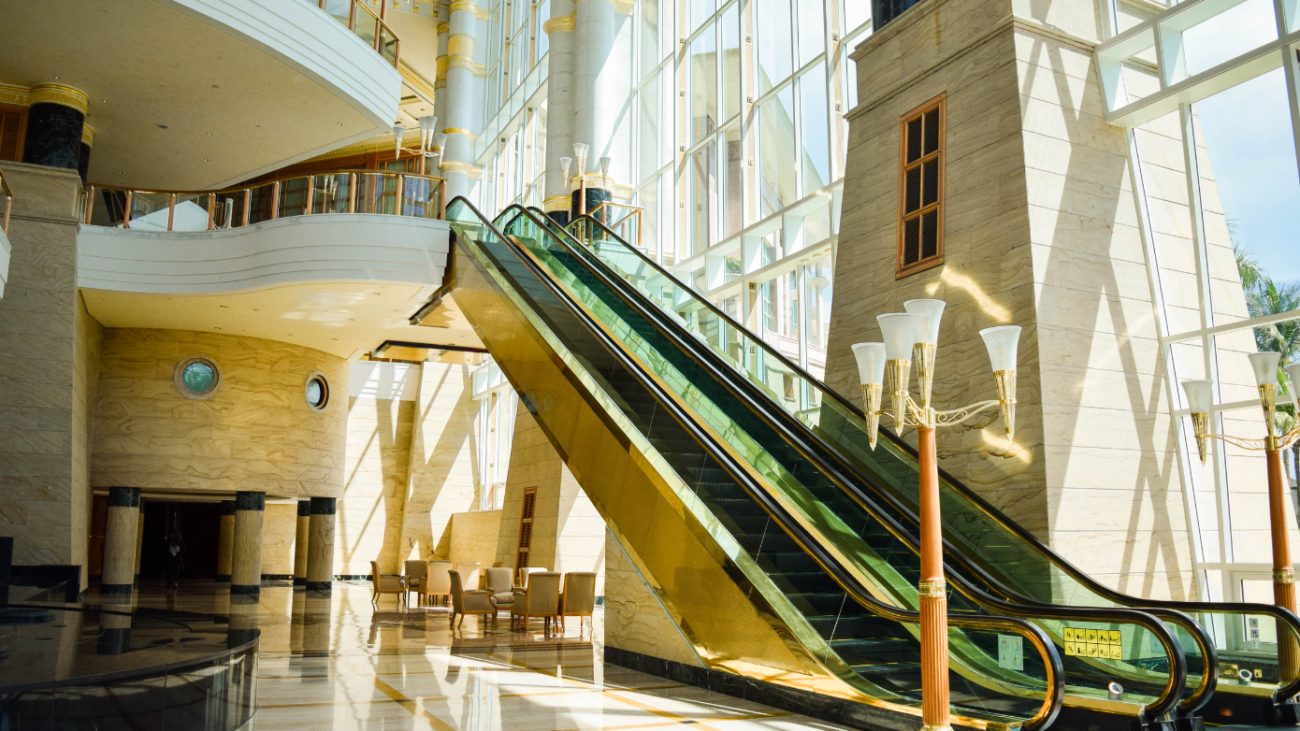
Elevators carry passengers in an enclosed cabin, moving vertically through a shaft. Escalators, on the other hand, use a moving staircase to transport people continuously without stopping.

Elevators can serve multiple floors efficiently, while escalators typically connect just one floor to the next in a continuous flow.

Space and Structural Requirements
Escalators require significant floor space on every level they connect, along with structural support for the moving mechanism. Elevators need less floor space but require a vertical shaft running through the building.

For buildings with limited floor space per level, elevators are usually the more practical choice.

Cost Comparison
Installation costs vary depending on building height and traffic needs. Escalators generally cost more for short vertical distances, while elevators become more cost-effective for buildings with many floors.

Maintenance costs also differ, escalators have more moving parts exposed to constant use, often requiring more frequent servicing.

Best Use Case For Each

Escalator works better in

  • Shopping malls with continuous foot traffic
  • Airports and train stations
  • Buildings with only one or two floors to connect

Elevators work best in:

  • Residential and commercial multi-story buildings
  • Buildings requiring wheelchair or mobility accessibility
  • Locations needing enclosed, secure transport

Making the Right Choice
The right choice ultimately depends on building height, expected traffic volume, and accessibility requirements. Many large commercial buildings actually use both systems together for maximum efficiency.

Final Thoughts
Choosing between elevators vs escalators comes down to your building’s specific structure and traffic needs.

Shanghai Dragon Elevator in Pakistan, helps businesses choose and install the right vertical transport solution for their property.

Untitled design (12)

Hydraulic vs Traction Elevators: Which Is Better?In a professional context it often happens

Choosing between hydraulic vs traction elevators is one of the first technical decisions building owners face when planning a new installation.

Both systems move passengers safely between floors, but they use completely different mechanisms — and each fits different building types better than the other.

Choosing between hydraulic vs traction elevators is one of the first technical decisions building owners face when planning a new installation.

Both systems move passengers safely between floors, but they use completely different mechanisms — and each fits different building types better than the other.

How Hydraulic Elevator Works


Hydraulic elevators use a piston beneath the cabin, pushed upward by pressurized fluid. This design offers a smooth, quiet ride, making it popular for low and mid-rise buildings.

They’re generally more affordable to install but consume more energy since the pump must actively push the cabin upward on every trip.

How Traction Elevator Works


Traction elevators rely on steel cables and a counterweight system, powered by an electric motor at the top of the shaft. This makes them faster and more energy-efficient for taller buildings.

Since the counterweight balances much of the load, traction systems use less power per trip compared to hydraulic designs.

Speed and Height Considerations
Hydraulic elevators typically max out around 5-8 floors due to piston length limitations. Traction elevators, however, can serve much taller buildings without this restriction.

For high-rise commercial towers, traction systems are almost always the practical choice.

Cost Comparison
Hydraulic systems usually cost less upfront, making them attractive for smaller residential or commercial projects. Traction systems cost more initially but save on energy bills over time.

Maintenance Differences

  • Hydraulic: fewer moving parts in the shaft, but requires periodic fluid checks
  • Traction: cables need regular inspection, but overall wear is lower
  • Both require certified technicians for safe servicing
  • Energy-efficient traction motors reduce long-term running costs

Which One Should You Choose?
For homes and low-rise buildings, hydraulic elevators offer a cost-effective, reliable solution. For taller commercial or residential towers, traction elevators provide better speed and efficiency.

Final Thoughts


The hydraulic vs traction elevators decision comes down to building height, budget, and long-term energy considerations.

Shanghai Dragon Elevator in Pakistan, offers both hydraulic and traction elevator solutions suited to any building type.


Untitled design (13)

What Happens If an Elevator Loses Power?

Power outages are common in many parts of Pakistan, which naturally raises a common concern: what happens if an elevator loses power while someone is inside?

The good news is that modern elevators are engineered with multiple safety systems specifically designed to handle this exact situation safely.

Immediate Safety Response
The moment power is lost, an elevator’s safety brakes engage automatically, holding the cabin firmly in place. This prevents any free-falling or sudden drops, regardless of what floor the cabin is on.

Passengers inside remain safe, though the cabin may stop between floors until power is restored or backup systems activate.

Backup Power Systems
Most modern elevators include an Automatic Rescue Device (ARD), which detects power loss and uses battery backup to move the cabin to the nearest floor automatically.

Once at the nearest floor, doors open on their own, allowing passengers to exit safely without needing outside assistance.

Emergency Communication
Every certified elevator includes an intercom or alarm button connecting passengers directly to building security or a monitoring service.

This ensures help arrives quickly even if the ARD system isn’t installed or takes longer than expected to activate.

What Should the Passengers DO In This Condition

If a power outage happens during a ride, passengers should:

  • Stay calm and avoid forcing doors open
  • Press the alarm or intercom button for assistance
  • Wait for the ARD system or technician support
  • Avoid climbing out through emergency hatches without professional help

Why Backup Matters In Pakistan?


Given frequent power fluctuations in many cities, having a reliable ARD system isn’t optional, it’s essential for passenger safety and peace of mind.

Final Thoughts


Understanding what happens if an elevator loses power shows just how thoroughly modern systems are engineered for passenger safety, even during unexpected outages.

Shanghai Dragon Elevator in Pakistan, installs elevators equipped with reliable backup power and automatic rescue systems suited for Pakistan’s power conditions.

Untitled design (14)

Can Elevators Fall? (Myth vs Reality)

One of the most common fears people have is: can elevators fall? This concern often comes from old movies and dramatic scenes, but the reality is far less alarming.

Modern elevators are engineered with multiple layers of redundant safety systems, making a complete free-fall almost impossible in properly maintained equipment.

Why This Fear Exists

The idea that elevators can fall mostly comes from fiction rather than fact. Films often show cables snapping and cabins plunging, creating a dramatic but highly inaccurate picture of real elevator engineering.

In reality, elevator cables are designed with massive safety margins, and cabins rely on far more than just cables to stay secure.

How Elevator Cables Actually Work

A single elevator cabin isn’t held by just one cable — it’s supported by multiple steel cables working together. Each cable alone is strong enough to hold the entire cabin’s weight.

This means even if one cable were to fail, the remaining cables would still safely support the elevator, preventing any sudden drop.

The Role of Safety Brakes

Beyond the cables themselves, every elevator includes an independent braking system that activates automatically if unusual speed is detected.

Overspeed Governor
This device constantly monitors the cabin’s speed. If it detects movement faster than normal, it immediately triggers the emergency braking system.

Emergency Brakes
Once triggered, mechanical brakes clamp onto the guide rails within the shaft, stopping the cabin almost instantly — regardless of cable condition.

What Happens During a Malfunction

If a serious issue does occur, the safety systems work together rather than relying on a single point of failure:

  • Overspeed governors detect abnormal acceleration
  • Emergency brakes engage against the guide rails
  • Buffer systems at the shaft’s base cushion any residual movement
  • Backup power systems can move the cabin to the nearest floor

This layered design is exactly why real free-fall incidents are extremely rare worldwide.

The Real Statistics

Elevators are statistically one of the safest modes of transport available today, far safer than escalators, stairs, or driving a car. Most reported “elevator incidents” involve minor issues like door malfunctions, not falling cabins.

Why Maintenance Still Matters

While the engineering behind elevators is remarkably safe, regular maintenance ensures every safety component continues functioning as designed.

A poorly maintained elevator increases risk not because cables will snap, but because sensors, brakes, or backup systems may not respond as quickly as they should.

Choosing a Safe, Certified Elevator

To ensure maximum safety, buildings should only install elevators that meet international safety certifications and undergo routine inspections by qualified technicians.

Final Thoughts

So, can elevators fall? With modern multi-cable systems, overspeed governors, and emergency brakes working together, a true free-fall is virtually impossible in a well-maintained elevator.

Shanghai Dragon Elevator in Pakistan, installs certified elevator systems built with internationally tested safety technology for complete peace of mind.

Untitled design (16)

Signs Your Elevator Needs Immediate Repair

levators rarely fail without warning. Most breakdowns are preceded by small, noticeable issues that get ignored until they turn into bigger problems. Knowing the signs your elevator needs immediate repair can prevent costly downtime and safety risks.

Unusual Noises During Operation

A well-maintained elevator should run smoothly and quietly. Grinding, squeaking, or banging sounds during movement often indicate worn components inside the shaft or motor system.

Ignoring these noises can lead to bigger mechanical failures, so any new or unusual sound should be reported to a technician right away.

Slow or Inconsistent Response Times

If the elevator takes longer than usual to arrive, or hesitates before moving, this is a clear warning sign. Delayed response often points to control system issues or motor wear.

Doors That Don’t Open or Close Properly

Doors that stick, close too quickly, or fail to open fully are one of the most common signs your elevator needs immediate repair. This issue also poses a direct safety risk to passengers.

Common door-related warning signs include:

  • Doors closing on passengers despite sensors
  • Doors opening before the cabin fully stops
  • Visible gaps or misalignment at the doorway
  • Delayed or jerky door movement

Uneven or Jerky Movement

A smooth ride is a sign of proper maintenance. If the cabin jerks, bounces, or doesn’t stop level with the floor, this usually indicates a problem with the leveling system or motor calibration.

Frequent Breakdowns or Error Messages

If an elevator stops working repeatedly, even after previous repairs, this suggests an underlying issue that hasn’t been properly diagnosed. Frequent breakdowns should never be treated as normal.

Unusual Smells or Visible Wear

A burning smell near the motor room or visible wear on cables and rails are serious signs that require immediate professional inspection, not routine maintenance.

Why Quick Action Matters

Ignoring early warning signs increases both repair costs and safety risks over time. A minor issue caught early is far cheaper to fix than a major mechanical failure later.

Final Thoughts

Recognizing the signs your elevator needs immediate repair helps building owners act before a small issue becomes a costly breakdown or safety hazard.

Shanghai Dragon Elevator in Pakistan, offers responsive repair and maintenance services to keep your elevator running safely.